
Biohack Your Body — But Should You?
- Syed Hamdan Muzammil
- Aug 8, 2025
- 5 min read

Updated: Aug 25, 2025

-Where caffeine meets cortisol and everyone thinks they’re a neuroscientist.
You’ve probably already biohacked yourself without even realizing it.
Ever skipped breakfast to “burn fat”? Taken a magnesium pill to sleep better? Drank coffee on an empty stomach, hoping it would make you more productive before tomorrow’s exam?
Congrats! You’re certified in biohacking.
What was once the domain of Reddit threads and biotech freaks back in the early 2000s, biohacking has now spilled over into mainstream wellness. From ice baths and smart drugs to sleep trackers and testosterone gels, everyone’s hacking something- their body, their metabolism, their mood, and their minds.
But the real question is, does any of it work? Or are we just self-experimenting and gaslighting ourselves with expensive drugs and Instagram advice? Let’s dig deeper.

So, What Is Biohacking?
Biohacking means trying to tweak your body or mind to feel better, think clearly, or live longer, by using tools, tricks, or lifestyle changes. Biohacking is pretty much the art (or chaos) of tweaking your biology for better performance, physically, mentally, or hormonally. It could involve adjusting your diet, using wearable tech, or even using off-label over-the-counter medications or supplements.
Some people use tech gadgets. Others adjust their diet & lifestyle. Some take stacks of supplements or experiment with cold exposure. There’s no one way to do it, and that’s part of why it’s so trendy and popular. Some people call it “self-optimization.” Others call it “science-flavored pseudomedicine.” It’s booming, thanks to wellness influencers and start-up culture. It’s quite big on Instagram. And booming in an attention economy where everyone wants better energy, better sleep, better everything, without waiting for a doctor’s appointment.

How’s it done?
Nutrition and Supplementation:
• Intermittent fasting: Approaches like 16:8 or OMAD are popular for potential metabolic and longevity benefits. It helps with insulin sensitivity and fat loss
• Keto and low-carb diets: It's often used to alter energy metabolism or reduce inflammation. Mixing butter with coffee isn’t just weird, it’s worshipped for “mental clarity.”
• Supplements: Magnesium, omega-3s, creatine, vitamin D, and others are commonly taken for focus, sleep, or performance. Half of it’s solid, half of it is a blind shot, depending on your actual needs.

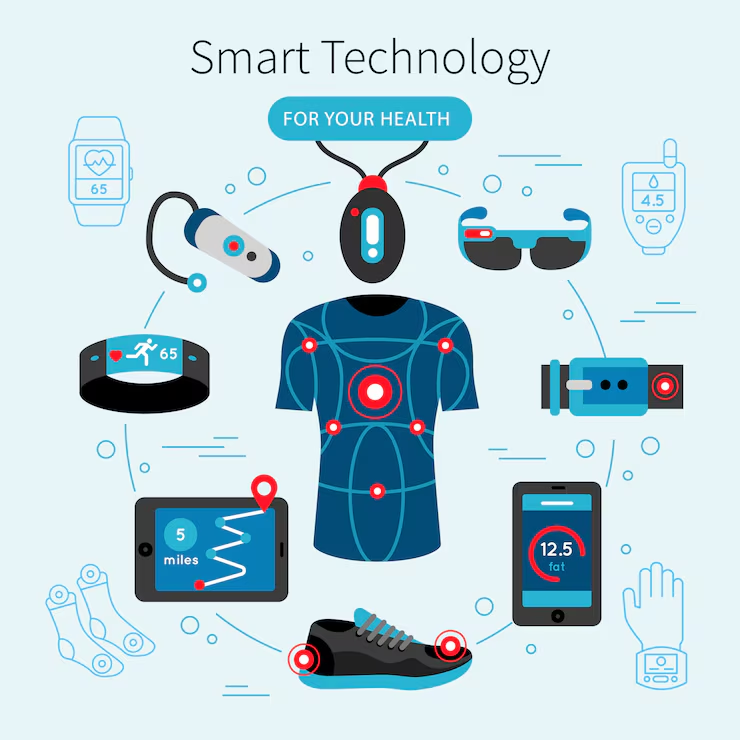
Techy Toys:
• Sleep trackers (Oura, WHOOP): They are used to monitor sleep stages, heart rate variability, and recovery. Do they help you sleep better or just make you obsess over your sleep score?
• Blue light blockers & light therapy glasses: Supposedly reset your circadian rhythm. A little science, a lot of style.
• Continuous glucose monitors for non-diabetics: Continuous glucose monitors (even for non-diabetics) are used by some to observe how different foods affect their blood sugar. Hot trend among health nerds. Useful? Maybe. Necessary? Probably not for everyone.
Nootropics (Cognitive Enhancers, aka Smart Drugs):
• Some use over-the-counter or prescription substances to boost concentration, memory, or alertness.
• Examples include caffeine, L-theanine, Nicotine gums, L-Arginine, and herbal extracts like Shilajit and Ashwagandha.
• The evidence supporting these substances is pretty varied and not conclusive. Most people mix these without understanding the long-term impact. Don’t be like
most people.

Hormone Hacking:
• Testosterone therapy in healthy 30-somethings is skyrocketing. A booming industry indeed. But unless you’re clinically deficient, it’s probably doing more harm than good.
• DHEA, melatonin, cortisol hacks: There is very little regulation and a deficit of supervision. It has a lot of risks if done blindly.
So, Why Are People So Into Biohacking?
The rise of biohacking isn’t just about health; it’s about control. In a world where medical appointments are rushed, wellness advice is all over the place, and everyone
seems tired all the time, biohacking offers a sense of control. It’s a way of saying,
“Hey! Maybe I can fix this myself?”. Add to that the influence of social media, where influencers share their daily cold plunges, supplement stacks, and cool-looking heart rate graphs. It becomes easy to see how the trend spreads. There’s also the appeal of quantifying everything, like tracking your sleep, your diet, your mood, and making tiny tweaks to improve over time. A never-ending thirst for control in a chaotic world. For many people, it feels like the DIY version of preventive medicine.

What the Research Says (and Doesn’t Say Yet)
Some biohacks have strong scientific backing. Intermittent fasting, for instance, has been shown to help with metabolism, insulin sensitivity, and inflammation in various studies. Supplements like creatine, magnesium, and caffeine have well-established benefits when used appropriately. Sauna therapy is linked to better cardiovascular health in several long-term studies. On the other hand, some popular methods like cold plunges or nootropics have a more mixed evidence base. While early research and personal stories suggest benefits, larger long-term studies and more Smart drug safety are still needed. Hormone tweaks, especially in people without actual deficiencies, remain controversial and not fully understood. So while some parts of biohacking are grounded in research, others are still being figured out.
Things to Keep in Mind
Biohacking can be empowering, but it can also be confusing. Not every method works for everyone, and what seems harmless in the beginning (like supplements or cold plunges) might still carry risks if overdone or misused. Medical supervision is necessary; not all interventions are risk-free. Consulting a professional may help avoid unwanted effects.
It’s easy to fall into the trap of constantly reaching equilibrium, where every night’s sleep score or blood sugar spike feels like a personal failure. That kind of pressure can be mentally exhausting. While some people invest in fancy wearables or hormone panels, others get similar benefits from just going for a walk or fixing their sleep schedule. Bottom line, curiosity is great, but context matters too. Your body isn’t a tech startup, so it’s okay to take things slow.
Final Thoughts
Biohacking is at the intersection of science, self-experimentation, and lifestyle. For some, it offers helpful tools and a sense of agency. For others, it may feel overwhelming or unnecessary.
Whether you’re curious about fasting, trying a wearable tracker, or just wondering if cold showers are worth the shiver, the world of biohacking is vast and evolving. Not every method is necessary, and not every new trick is a magic fix. If you’re curious about biohacking, explore with an open mind, start small, and take what works while leaving the rest. Sometimes the simplest habits still make the biggest difference.
References
Varady, K. A., & Hellerstein, M. K. (2021). Intermittent fasting and metabolic health: From observational studies to randomized controlled trials. Annual Review of Nutrition, 41(1), 333–361. https://doi.org/10.1146/annurev-nutr-111120-094358
2. Brouwer, A., & Franx, B. A. A. (2022). Wearable devices for health monitoring: Current applications and challenges. Nature Electronics, 5(7), 403–414. https://doi.org/10.1038/s41928-022-00784-w
3. Hosseini, S. A., et al. (2021). Effects of nootropic supplementation on cognitive performance in healthy adults: A systematic review. Nutrients, 13(7), 2345. https://doi.org/10.3390/nu13072345


Comments